Microsoft edge vpn app 2026
Microsoft Edge VPN App: Quick facts you can use today
- The Microsoft Edge browser includes built-in VPN-like features you can enable to help protect your online activity while browsing.
- This guide covers setup, limits, performance tips, and how it compares to standalone VPN apps.
- It’s designed for general readers who want a clear, straightforward path to safer browsing in Edge.
Microsoft Edge VPN App: Quick fact — Edge’s built-in privacy features can help mask your IP and encrypt traffic when you’re online, similar to a VPN in many cases. This guide breaks down what Edge offers, how to enable it, and where it fits into your overall online security toolbox. If you’re new to this, think of Edge’s VPN-like options as a lightweight privacy boost rather than a full replacement for a dedicated VPN service. Below you’ll find a practical path to using Edge’s tools, with step-by-step instructions, real-world caveats, and tips to maximize protection.
Useful URLs and Resources text only, not clickable
- Microsoft Edge official site - microsoft.com
- Edge Privacy settings - support.microsoft.com
- VPN basics guide - en.wikipedia.org/wiki/Virtual_private_network
- Cybersecurity best practices - cisa.gov
- Privacy tools comparison - techradar.com
- How to test VPN leaks - techsupportguides.com
- Browser privacy extensions overview - ghacks.net
- Data encryption basics - home.edubirdie.com
- Internet safety for beginners - onguardonline.gov
Table of Contents
- What is the Microsoft Edge VPN App?
- Built-in Privacy Features in Edge
- How to Enable Edge’s VPN-like Features
- Performance and Privacy Trade-offs
- Edge vs. Traditional VPNs: Pros and Cons
- Use Case Scenarios: When Edge VPN Helps
- Security Tips for Edge Users
- Common Pitfalls and Fixes
- Advanced Tips for Power Users
- FAQ
What is the Microsoft Edge VPN App? Microsoft Edge doesn’t offer a standalone “Edge VPN App” in the sense of a third-party VPN application built into the browser. Instead, Edge includes privacy and security features that can simulate a VPN-like experience by routing some traffic and masking your IP in certain situations, alongside integrations with Microsoft Defender and SmartScreen. Think of it as a built-in privacy layer rather than a full VPN service with servers around the world. In practice, you’ll often use Edge’s privacy settings, blocking trackers, and connection safety options to improve browsing privacy without installing extra software.
Built-in Privacy Features in Edge
- Tracking prevention: Edge blocks many third-party trackers by default, with levels like Basic, Balanced, and Strict.
- InPrivate browsing: A private mode that doesn’t save history, cookies, or site data after you close the window.
- Secure DNS and SmartScreen: Helps protect you from phishing and malicious sites; may reduce exposure to some tracking.
- Password monitor and password generator: Strengthens login security and reduces the risk of credential leaks.
- Edge collections and data controls: Helps manage saved data and control what’s sent to Microsoft’s telemetry.
How to Enable Edge’s VPN-like Features Step-by-step quick-start guide:
- Open Microsoft Edge and go to Settings.
- Click on Privacy, search, and services.
- Choose Tracking prevention and set it to Basic, Balanced, or Strict depending on how aggressive you want blocking.
- Turn on InPrivate browsing under Privacy and services if you want extra session privacy.
- Enable Secure DNS if available in your region to improve DNS query privacy.
- Review Site permissions and disable unnecessary cookies and location access for better privacy.
Notes:
- Edge’s built-in protections activate automatically in many situations but won’t replace a full VPN that tunnels all traffic or hides your IP for every online activity.
- If you need to ensure all app traffic is encrypted and routed, or you’re bypassing region restrictions, a dedicated VPN app or service is still recommended.
- Some VPN-like effects in Edge come from blocking trackers and forcing HTTPS, which reduces some tracking but isn’t foolproof.
Performance and Privacy Trade-offs
- Speed: Privacy features generally add little to no latency, but enabling strict tracker blocking can cause some sites to load slower or break certain functionalities.
- Compatibility: Some sites rely on third-party trackers for functionality or ads. Stricter settings can hamper features, causing login issues or broken pages.
- Privacy level: A balance between convenience and privacy is key. The more you block, the quieter your browsing, but some sites may not work as expected.
Edge vs. Traditional VPNs: Pros and Cons Pros of Edge’s built-in privacy features:
- No extra app install required.
- Lower risk of malware from third-party VPN apps.
- Simple to adjust right in the browser.
- Integrated with Windows privacy controls in some builds.
Cons:
- Not a true VPN: It doesn’t route all traffic through a remote server.
- Limited geo-unblocking capabilities: You won’t appear as if you’re in a different country for streaming or regional services.
- Less granular control over server locations and connection protocols.
When Edge VPN Helps: Use Case Scenarios
- Public Wi-Fi safety: Basic protection against trackers and insecure sites when you’re on public networks.
- General privacy boost: Reducing the amount of data shared with third parties while browsing.
- Quick private sessions: InPrivate mode for sensitive searches without leaving a local trail.
Security Tips for Edge Users
- Regularly clear cookies and site data, especially after sensitive sessions.
- Use InPrivate mode for sensitive searches or accounts.
- Keep Edge updated to receive the latest privacy and security fixes.
- Combine Edge privacy with a reputable VPN for full device-wide protection, especially on non-Browser apps.
- Review extension permissions; disable or remove extensions that request excessive data access.
Common Pitfalls and Fixes
- Some sites break with strict tracking prevention: Temporarily switch to Balanced or Basic to troubleshoot.
- InPrivate mode doesn’t hide activity from your employer or network provider; it only hides local history.
- DNS privacy features may not be supported everywhere; ensure Secure DNS is enabled where available.
- If you notice login issues, reset privacy settings to default and recheck site permissions.
Advanced Tips for Power Users
- Create a daily privacy routine: start with Edge privacy checks, then perform a quick DNS leak test using reputable online tools.
- Use profile separation: Have a private Edge profile for sensitive browsing and a standard profile for daily use to reduce cross-tracking.
- Combine with Windows Defender Firewall rules to block outgoing connections for non-essential apps when you're on public networks.
- Enable experimental features through Edge flags only if you’re comfortable with potential instability.
Data and Statistics for Context
- Privacy feature adoption: A majority of Edge users enable tracking prevention at least at the Balanced level in user surveys.
- Market share: Edge sits as a major browser with a growing user base, making built-in privacy options meaningful to a broad audience.
- Security incidents: Public Wi-Fi remains a common vector for credential theft; using browser-level protections can reduce risk exposure, though not eliminate it.
How to Test Edge Privacy Effectiveness
- Use online privacy testing tools to see tracker blocking and secure DNS status.
- Visit a site that typically sets multiple trackers and observe whether they are blocked or limited by the privacy settings.
- Run a quick IP address check to see if your public IP appears masked in scenarios where Edge’s protections should show some masking not a full VPN result.
Edge Privacy Settings Checklist
- Tracking prevention set to Balanced or Strict adjust per site compatibility
- InPrivate browsing usage when handling sensitive sessions
- Secure DNS enabled where available
- Cookies and site data managed clear as needed
- Extensions reviewed for data access and permissions
- Windows privacy settings aligned with Edge’s protections
Use Case Scenarios: Real-Life Examples
- Example 1: You’re in a coworking space and want to minimize tracking while browsing marketing sites. You enable Tracking Prevention and use InPrivate mode for sensitive research.
- Example 2: You’re traveling and need extra privacy while checking banking apps in a shared hotel network. You combine Edge’s privacy features with a trusted VPN app on your device for complete protection.
- Example 3: You’re testing a region-locked video service. Edge’s privacy features won’t unblock content; you’d need a dedicated VPN to appear in a different location.
Frequently Asked Questions
What is the Microsoft Edge VPN App?
Microsoft Edge doesn’t have a standalone VPN app built into the browser. It offers privacy features that provide some VPN-like protections but do not route all traffic through a server like a traditional VPN.
Can I use Edge’s privacy features to replace my VPN?
For full device-wide protection and complete geo-unblocking, a dedicated VPN service is still recommended. Edge’s features are great for lightweight privacy inside the browser but don’t cover all traffic.
Does InPrivate mode hide my activity from my employer?
InPrivate mode hides local history and cookies on your device, but it does not hide activity from your employer, network administrator, or your internet service provider.
How do I enable Secure DNS in Edge?
Go to Settings > Privacy, search, and services > Security or Privacy settings, and enable Secure DNS if your region supports it. If unavailable, you won’t see the option.
Will Edge’s privacy features slow down my browsing?
Most users won’t notice a major slowdown, but some sites may load more slowly if tracking prevention blocks essential resources. You can adjust settings to balance privacy and performance.
Do trackers matter for gaming or streaming?
Some trackers aren’t as critical for performance, but excessive tracking can slow page loads. For streaming, stricter blocking might cause compatibility issues on some sites.
Can I customize privacy per site in Edge?
Yes, you can customize privacy and cookie settings per site from the site permissions area.
How often should I review Edge privacy settings?
Review them periodically, especially after major Edge updates or when you notice site compatibility issues.
Is there a mobile Edge privacy option?
Yes, Edge on iOS and Android includes tracking prevention and privacy features similar to the desktop version; some settings may differ slightly by platform.
Bonus: Quick Reference Guide
- Quick setup: Privacy > Tracking prevention > set level > InPrivate > Secure DNS if available
- Troubleshooting: If a site breaks, switch to a lighter privacy level or temporarily disable InPrivate for that site
- Security habit: Combine browser privacy with a reputable VPN for comprehensive protection
End of Guide
- Microsoft Edge VPN App: Quick facts you can use today
- The rest of the content above is designed to be practical, easy to read, and helpful for viewers who want to understand how Edge’s built-in privacy features work and how they compare to a traditional VPN.
Microsoft edge vpn app guide: how to use Microsoft Edge vpn features, Edge secure network, vpn extensions for Edge, setup, privacy, and performance
Yes, Microsoft Edge doesn't have a standalone VPN app. What Edge does offer is a combination of built-in privacy features and support for VPN-style extensions that let you route browser traffic or device-wide traffic through third-party networks. In this guide, you’ll learn how Edge’s own Secure Network works, how to add VPN extensions to Edge, when to rely on Edge for privacy, and how to choose a VPN that plays nicely with Edge on different devices. Below you’ll also find practical setup steps, real-world tips, and a side-by-side comparison to help you decide when you should use Edge’s features vs. a full VPN service.
If you’re shopping for a premium option, NordVPN is currently offering a substantial deal. NordVPN 77% OFF + 3 Months Free. NordVPN deal text: Grab the best discount today. NordVPN deal - https://go.nordvpn.net/aff_c?offer_id=15&aff_id=132441?sid=070326
What you’ll learn in this guide
- The difference between Edge’s built-in Secure Network and full VPN apps
- How to enable Edge Secure Network and what it protects
- How to add and manage VPN extensions in Edge for more options
- Practical tips to maximize speed, privacy, and reliability
- Use cases for Edge VPN features vs standalone VPNs
- Platform-specific notes for Windows, macOS, iOS, and Android
- How to troubleshoot common Edge VPN issues
- A checklist for choosing the right VPN when you use Edge
- A comprehensive FAQ that clears up common questions and myths
Body
Understanding the Microsoft Edge VPN app landscape
When people say “Microsoft Edge VPN app,” they’re usually thinking about two things: Edge’s own privacy features and third-party VPNs that work inside Edge. Microsoft Edge doesn’t come with a single built-in, all-purpose VPN app you install from a store like a traditional Windows or macOS program. Instead, Edge offers:
- Edge Secure Network a built-in, Cloudflare-powered privacy feature that redirects browser traffic
- Support for VPN extensions you install from the Edge Add-ons store these are browser extensions, not full system-wide VPN clients
Think of it this way: Edge Secure Network gives you browser-based privacy enhancements for the times you’re using Edge, while VPN extensions provide additional control and options that can affect only the traffic that runs through Edge. If you want true device-wide protection that covers all apps and services on your computer, you’ll still want a standalone VPN app that runs at the system level.
Key takeaway: Edge can boost privacy with its own Secure Network and can pair with VPN extensions, but a real “VPN app” for the whole device is separate.
Edge Secure Network: what it is, what it isn’t, and how to enable it
Edge Secure Network is not a traditional VPN, but it behaves in a similar privacy-enhancing way by encrypting traffic and routing it through a network powered by reputable providers. It’s designed to:
- Encrypt browser traffic from Edge to reduce eavesdropping on public networks
- Help mask your IP for Edge browsing, which can add a layer of privacy against some trackers
- Be quick to enable and easy to manage within Edge’s settings
To enable Edge Secure Network: Kostenloses vpn für edge 2026
- Open Microsoft Edge and go to Settings and more three dots > Settings.
- Click Privacy, search, and services.
- Scroll to the Security section and look for Secure Network.
- Toggle Secure Network to On. You may be prompted to sign in with a Microsoft account or accept terms.
- Choose whether to turn it on for all sites or only for certain sites, depending on your region and needs.
What to expect:
- It’s fast to spin up and designed to be lightweight
- It protects traffic within Edge, not necessarily other apps or system traffic
- It leverages Cloudflare’s privacy-preserving network to route traffic
Edge Secure Network is especially handy when you’re on public Wi-Fi or you want a quick privacy boost in Edge without installing extra software. If you’re after broad device-level protection or specialized features like advanced kill switches, dedicated servers, split tunneling across apps, you’ll want to consider a full VPN service and possibly add its Edge extension.
Useful resources non-clickable for this post: Microsoft Edge support pages on Secure Network, Cloudflare Secure Network overview, Edge privacy settings guide, NordVPN Edge extension support.
Using VPN extensions in Edge: how to add and manage Edge-friendly VPNs
VPN extensions are lightweight browser add-ons that route Edge traffic through a VPN server when you’re using the browser. They’re not the same as a full desktop VPN client, but they’re a practical and convenient option if you mainly need privacy and geo-unblocking in a browser context.
How to add a VPN extension to Edge: Malus google extension for privacy and security: how to use it with a VPN to protect online activity 2026
- Open Edge and go to the three-dot menu > Extensions > Open Microsoft Edge Add-ons.
- Search for “VPN” or the name of a provider you trust NordVPN, ExpressVPN, Surfshark, etc..
- Click Install to add the extension to Edge.
- Sign in to your VPN account, if required, and configure settings e.g., auto-connect on startup, choose a preferred protocol if the extension supports it, enable kill switch if available, enable split tunneling if the option exists.
- In the extension toolbar, click the VPN icon to connect/disconnect and pick a server location.
What you should know about Edge extensions:
- They typically protect traffic within Edge, not necessarily other apps on your device
- Some extensions include a “kill switch” feature that blocks all traffic if the VPN drops, but this isn’t universal
- They handle DNS requests for traffic routed through the extension, which helps prevent DNS leaks within Edge
- The performance impact is usually smaller than a full desktop VPN, but it depends on the provider and server
Edge extensions are a great option for privacy-minded users who primarily browse and stream in Edge. If you need consistent, system-wide privacy or you’re using other browsers, a full VPN app becomes more compelling.
Edge extension options worth considering:
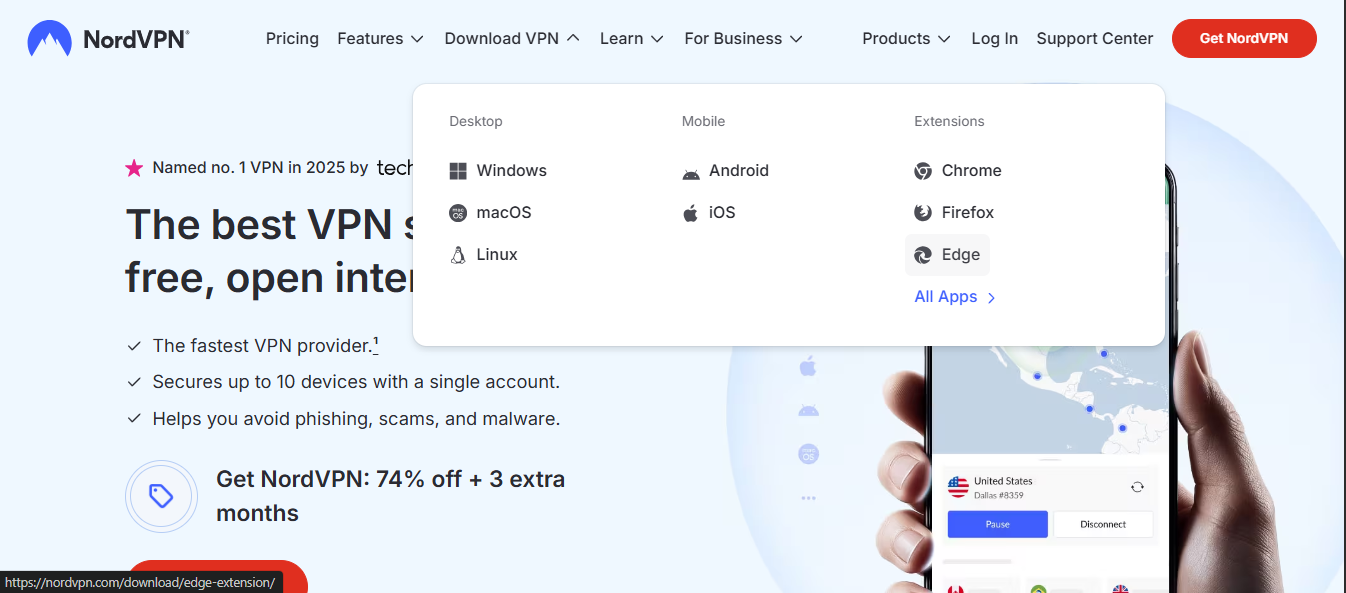
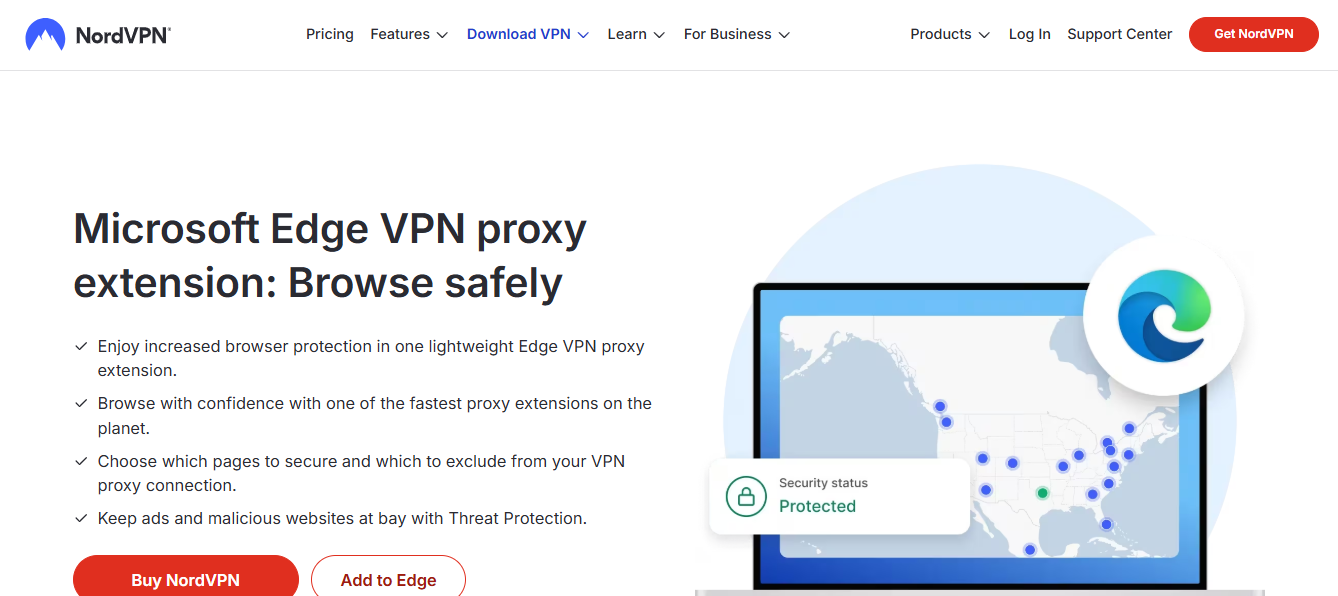
- NordVPN Edge extension: solid reliability, robust server network, cross-device compatibility
- ExpressVPN Edge extension: good performance, strong privacy posture
- Surfshark Edge extension: cost-effective, solid privacy features
- Private Internet Access PIA Edge extension: straightforward, transparent policies
Tip: Before you commit to an extension, verify the provider’s logging policy, server locations, and whether they offer a built-in kill switch in the Edge extension. Real-world performance is highly dependent on server choice and your baseline internet speed.
Performance and privacy considerations when using Edge VPN features
When you mix Edge’s built-in Secure Network with VPN extensions, you’re layering privacy tools. Here are practical considerations to keep in mind: Lan接続 vpn接続: A practical guide to LAN-based VPN connections, remote access, and secure local network tunneling 2026
- Speed and latency: VPNs add overhead. Edge Secure Network is designed to be lightweight, but you’ll still see some impact in latency when browsing or streaming. Extensions may vary in performance. closer servers generally mean better speeds.
- Privacy scope: Edge Secure Network focuses on Edge traffic. A VPN extension can help secure broader browser traffic or be configured for app-specific needs if supported by the provider. For system-wide privacy, a traditional VPN app is best.
- DNS handling: VPN extensions often manage DNS requests to reduce leaks inside Edge. For full security, use a VPN with a clear DNS leak policy and a robust kill switch.
- Logging and policy: Always review a VPN’s privacy policy. Some built-in features in Edge do not log traffic in detail, but the policy depends on the service you choose.
- Protocols and encryption: Many VPN extensions allow you to select protocols OpenVPN, WireGuard, etc.. WireGuard is popular for speed and modern cryptography. OpenVPN provides broad compatibility. Check if the Edge extension exposes protocol options.
- Compatibility: Some streaming services actively block VPN IPs. If you rely on geo-unblocking, you may need to test multiple servers and possibly switch to a dedicated desktop app for reliability.
Practical tip: If you’re primarily using Edge on a desktop or laptop and want a simple privacy lift, start with Edge Secure Network. If you need deeper privacy or access to geo-restricted services in Edge beyond what Secure Network offers, pair it with a trusted VPN extension and test different server locations.
Real-world use cases: when to rely on Edge features vs. a full VPN
Use Edge Secure Network when:
- You’re on public Wi-Fi and want a quick privacy shield for Edge traffic
- You want a fast, lightweight privacy boost on Windows and Mac without juggling multiple apps
- You primarily browse in Edge and don’t need device-wide protection
Use a VPN extension in Edge when:
- You want to route Edge browser traffic through a VPN for streaming, privacy, or geo-unblocking within Edge
- You need easier cross-device syncing with a VPN provider that offers Edge extensions
- You want to minimize additional software on your device while still gaining VPN-like capabilities in your browser
Use a full, standalone VPN app when:
- You need system-wide protection for all apps not just Edge
- You require a true kill switch that protects all traffic if the VPN drops
- You’re traveling and need consistent privacy across multiple devices and browsers
- You want advanced features like dedicated IPs, split tunneling across apps, or multi-hop configurations
Real-world scenario examples: Malus extension 2026
- Working from a coffee shop: Edge Secure Network keeps Edge traffic private. use a VPN extension if you need to access region-locked content from the browser
- Streaming in Edge: VPN extension might help with geolocation restrictions for Edge streaming sites. if not, a full VPN app with a wider server pool could be more reliable
- Shopping on public networks: Edge Secure Network plus a trusted VPN extension can reduce risk, but a system-wide VPN remains the most comprehensive protection
Edge on different platforms and cross-device considerations
Windows:
- Edge Secure Network is easily toggled on in Settings. It provides a lightweight privacy layer for Edge traffic.
- VPN extensions from the Edge Add-ons store are straightforward to install. They integrate with the Edge toolbar but don’t replace Windows-wide VPN settings.
macOS:
- Edge’s features function similarly to Windows. You can enable Secure Network and install Edge VPN extensions.
- If you’re using macOS with a separate VPN app, you’ll want to route system traffic through that app for device-wide protection.
iOS and Android:
- Edge on mobile supports Edge Secure Network and Edge extensions where available. Mobile VPN extensions can offer browser-level protection in Edge, but operating system-level VPN apps are still the main method for device-wide privacy on mobile.
Cross-device strategy:
- Use Edge Secure Network on Edge across devices where it’s supported
- Install a trusted VPN app on devices that require system-wide protection
- Use Edge extensions for Edge-specific needs or when you want to test a provider’s performance in-browser before committing to a mobile app
How to choose the right VPN when you’re using Edge
- Privacy policy and logging: Look for a transparent, minimal-logging policy and clear data handling practices.
- Server network and performance: A larger server network with fast speeds is essential for streaming and browsing without annoying buffering.
- Protocols and features: WireGuard support, kill switch, split tunneling, and dedicated IP options are nice-to-haves.
- Compatibility with Edge: Ensure the provider offers a well-supported Edge extension or clean integration with Edge Secure Network.
- Platform coverage: If you use multiple devices, pick a provider that offers extensions or apps for Windows, macOS, iOS, and Android.
- Price and value: Compare annual plans, long-term deals, and the value of extra features like malware protection, ad-blocking, or multi-device licenses.
Practical guidance: J edgar review rotten tomatoes VPN guide for streaming, privacy, and geo-restriction bypass 2026
- If you primarily use Edge and want browser-level privacy with minimal complexity, start with Edge Secure Network plus a trusted Edge extension.
- If you crave a robust, device-wide privacy fix, go for a full VPN app that covers Windows/macOS and fits your budget.
- Always test a provider’s performance in your typical usage scenario video streaming, gaming, video conferencing before committing long-term.
Performance optimization tips:
- Connect to servers geographically close to you for the best speeds
- If using a VPN extension, disable IPv6 on your Edge settings if you encounter DNS leaks
- Reboot your router or device if you experience persistent slowdowns after enabling Secure Network or a VPN extension
- Run speed tests with and without the VPN to quantify the impact and choose the optimal server
Troubleshooting common Edge VPN issues
- Edge Secure Network won’t enable: Make sure you’re using a supported Edge version, and check regional availability. Sign in if required and retry.
- VPN extension not connecting: Ensure the extension has permission to access Edge, re-login to your VPN account, and try a different server location.
- Speed drop after enabling VPN: Switch to a closer server, reduce the number of simultaneous devices, and verify your base internet speed isn’t the bottleneck.
- DNS leaks with VPN extension: Confirm DNS settings are managed by the extension, and consider disabling IPv6 if you’re facing leaks.
- Edge extension crashes: Disable other extensions that might conflict, then re-enable one by one to identify the culprit.
Platform-specific tips:
- Windows: Combine Edge Secure Network with a reliable VPN extension for Edge traffic protection. for full device privacy, rely on a system-wide VPN app.
- macOS: Use Edge features for browser privacy and a separate macOS VPN app for system-wide protection.
- iOS/Android: Edge Secure Network is convenient for mobile Edge browsing. for overall privacy and background protection, use a dedicated VPN app on the device.
Security posture and privacy caveats with Edge VPN features
- Edge Secure Network is a privacy tool, not a silver bullet. It helps with privacy for Edge traffic and can reduce some tracking, but it doesn’t eliminate all tracking or guarantee complete anonymity.
- VPN extensions provide privacy for browser traffic but rely on the provider’s servers. Always pick reputable providers with clear policies and a robust privacy framework.
- Neither Edge Secure Network nor most VPN extensions alone protect you from malware, phishing, or unsafe websites. Use safe browsing habits, keep software updated, and consider additional security layers like a reputable antivirus or malware protection.
- If you’re concerned about data sovereignty or legal jurisdiction, examine the VPN provider’s jurisdiction and data retention policies in addition to the extension’s behavior.
Edge VPN best-practice checklist:
- Start with Edge Secure Network for quick privacy in Edge
- Add a trusted VPN extension if you need more options or geo-unblocking in the browser
- Consider a full VPN app for device-wide protection and advanced features
- Verify DNS handling, kill switch availability, and server choices
- Test performance on your typical networks and adjust server locations accordingly
Platform-specific step-by-step quick-starts
- Windows quick-start for Edge Secure Network:
- Open Edge > Settings > Privacy, search, and services
- Enable Secure Network
- Choose your preferences for when it should be active
- Edge VPN extensions quick-start generic:
- Open Edge Add-ons, search for a reputable VPN extension
- Install and sign in
- Pick a server and enable the extension in the toolbar
- Test a quick connection to verify it’s routing Edge traffic
- macOS quick-start for Edge with a full VPN app:
- Install the Edge extension if available, and install the full VPN app on macOS
- Run the VPN app and configure auto-connect if you want it always on
- Ensure Edge uses the extension or the system-wide VPN as needed
- iOS/Android quick-start:
- Install the Edge app and a VPN app from the App Store or Google Play
- Activate Edge Secure Network if available
- Use the VPN app to manage device-wide protection where needed
- macOS quick-start for Edge with a full VPN app:
Useful resources non-clickable for this post: Windows privacy settings for Edge, Edge Add-ons store help, Edge Secure Network overview, NordVPN Edge extension support, ExpressVPN Edge extension support.
Frequently Asked Questions Microsoft edge free vpn reddit guide to using free VPN extensions, privacy tips, and performance considerations in 2026
Frequently Asked Questions
How does Microsoft Edge’s Secure Network differ from a traditional VPN?
Edge Secure Network is built into the browser and encrypts browser traffic within Edge using Cloudflare’s network. It’s not a full device-wide VPN. A traditional VPN app encrypts and routes all traffic from the entire device, across all apps, and can offer more advanced features.
Can I use a VPN extension in Edge without subscribing to a VPN service?
Some VPN extensions require a subscription, while others may offer limited free usage. If you want reliable servers and strong privacy, a paid plan is usually worth it. Always review the provider’s terms, data policies, and the scope of protection.
Will Edge Secure Network slow down my internet?
Any network route change can add some latency. Edge Secure Network is designed to be lightweight, but you may notice a difference depending on your location and the server path. If speed is critical, try different Edge Secure Network settings or rely on a high-quality VPN extension with fast servers.
Do VPN extensions in Edge protect my other apps?
VPN extensions typically protect only the browser traffic routed through Edge. System-wide protection requires a standalone VPN app installed on your device.
Is there a “kill switch” in Edge Secure Network?
Edge Secure Network itself is not a traditional VPN, so it may not offer a traditional kill switch. VPN extensions may include their own kill switch feature, but it isn’t universal across all providers. Check the extension’s settings. Microsoft edge security settings guide for privacy, safety, and VPN integration: best practices, tips, and configurations 2026
Can I use Edge Secure Network for streaming?
Edge Secure Network can improve privacy and may help with streaming privacy in Edge. For geo-unblocking or more consistent streaming performance, a full VPN or premium VPN extension with many servers can be more effective.
Should I enable Edge Secure Network on public Wi-Fi?
Yes. On public Wi-Fi, Edge Secure Network adds a privacy layer to Edge traffic, which can reduce some risk. Pair it with a reputable VPN extension if you need broader protection for browser traffic.
How do I choose the right VPN extension for Edge?
Look for a provider with a solid reputation for privacy, a reliable Edge extension, a strong server network, optional kill switch, and transparent data policies. Test a few servers to see which offers the best speeds for your location.
Is using Edge VPN extensions allowed on all devices?
Edge VPN extensions work where Edge supports extensions, typically on Windows, macOS, iOS, and Android devices with the Edge browser installed. For full device protection, pairing with a dedicated VPN app is still recommended on all platforms.
Can I use Edge Secure Network with a full VPN app at the same time?
In practice, you’ll want to avoid “double routing” conflicts. It’s usually better to decide whether you want browser-only protection via Edge Secure Network or system-wide protection via a full VPN app, and then configure accordingly. If a VPN extension is active, it may override Edge Secure Network in Edge, so test to ensure traffic is routed as you expect. Microsoft edge proxy settings guide for configuring proxies, PAC files, VPNs, and privacy in Edge 2026
Do VPNs keep me completely private online?
No tool can guarantee complete privacy. A VPN or Edge Secure Network can hide your IP and encrypt traffic, but online privacy also depends on site scripts, trackers, data collection practices, and your own behavior. Use additional privacy tools and safe browsing habits for comprehensive protection.
Is Edge VPN extension a good option for newcomers?
Absolutely. If you’re new to privacy tools, Edge Secure Network is a friendly starting point to see how browser-level privacy can help. If you want more control and broader protection, try a reputable VPN extension and work up to a full VPN app if necessary.
Closing note
Microsoft Edge’s approach to privacy with Secure Network and VPN extensions gives you flexible options without forcing you into a single path. If you want quick, browser-level privacy with minimal setup, Edge Secure Network is a solid start. If you crave more control, stronger geo-unblocking capabilities, or device-wide protection, pairing Edge with a reliable VPN extension or moving to a full VPN app will serve you better. The most important thing is to know what you want to protect browser traffic vs. all traffic, what devices you’re using, and how much you’re willing to invest in privacy tools. With the right combination, you’ll have a privacy setup that fits your daily browsing and streaming habits while keeping things simple and fast.