Vpn on edge 2026
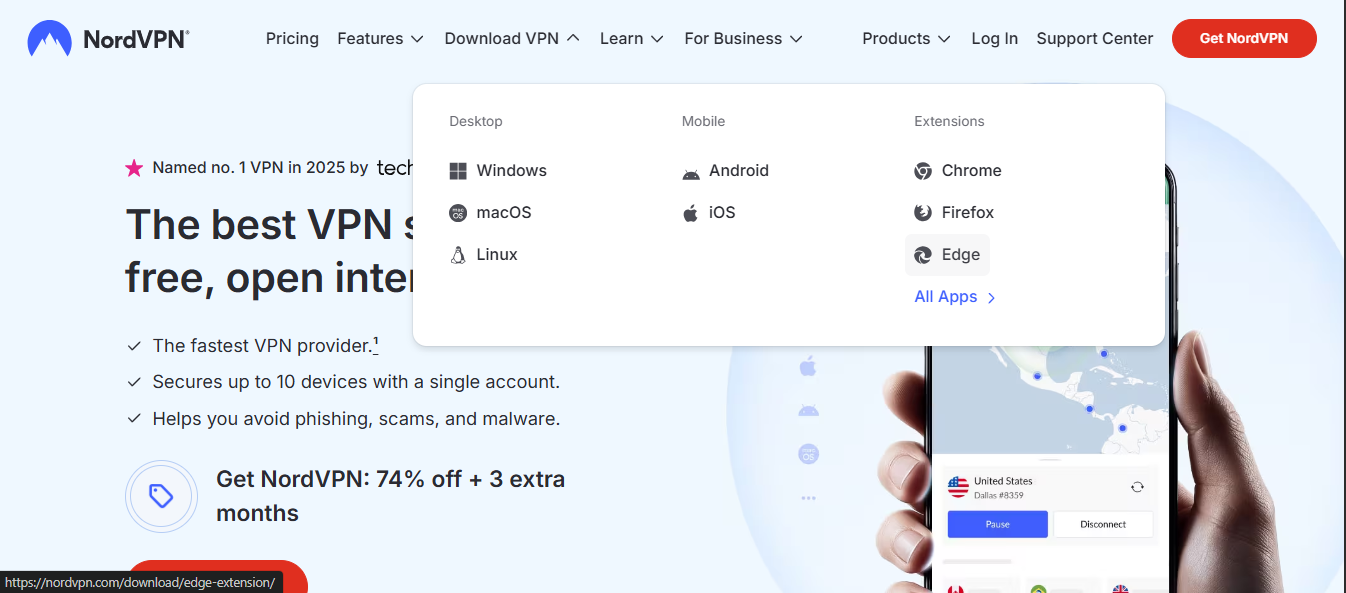
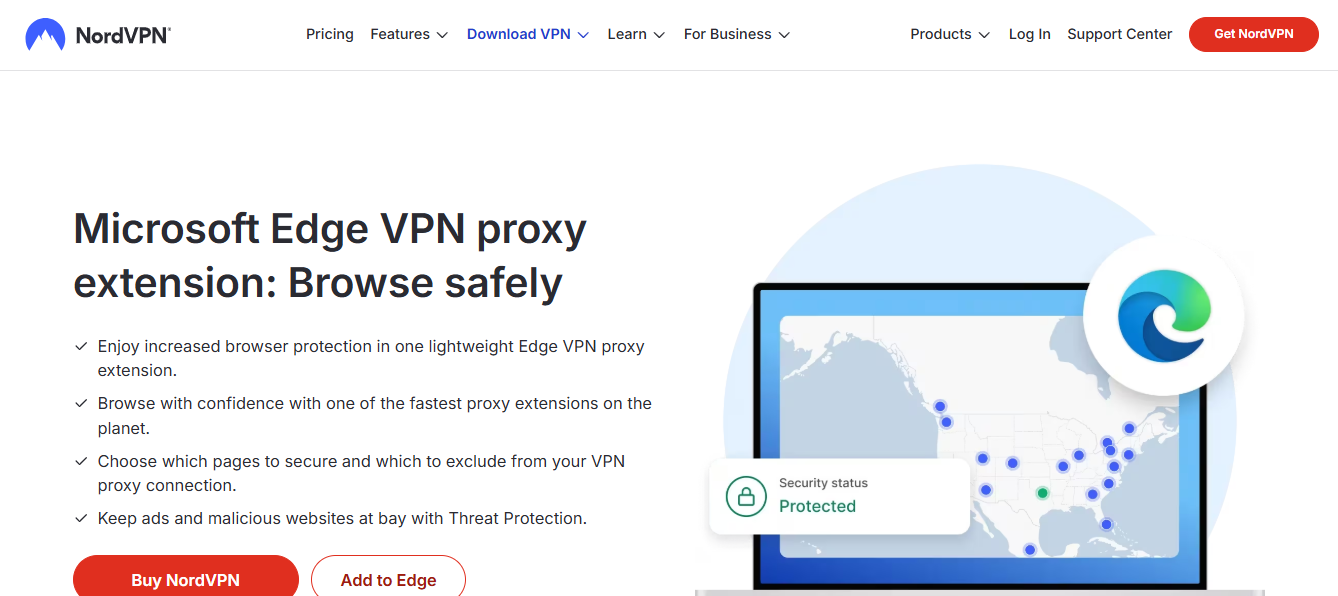

Vpn on edge is a quick way to describe using a VPN on Microsoft Edge to protect your privacy, bypass geo-restrictions, and keep your data safe on public Wi-Fi. This guide breaks down everything you need to know, from quick setup to troubleshooting, plus real-world tips and comparisons.
Vpn on edge. Quick fact: using a VPN on Edge can encrypt your traffic, mask your IP, and help you access regional content without slowing you down too much. Here’s a practical, straight-to-the-point summary of what you’ll learn:
- Why you’d want a VPN on Edge
- How to install and configure a VPN extension in Edge
- Performance tips to minimize slowdowns
- Privacy and security considerations
- Common issues and fixes
- Real-world use cases and cost considerations
- Alternatives if a VPN extension isn’t right for you
Useful URLs and Resources text only
- ExpressVPN official site - expressvpn.com
- NordVPN official site - nordvpn.com
- Microsoft Edge extensions store - microsoft.com
- VPN comparison guide - en.wikipedia.org/wiki/Virtual_private_network
- What is a VPN? - en.wikipedia.org/wiki/Virtual_private_network
- Online privacy best practices - www.thedatasecure.org
- Public Wi-Fi safety tips - www.consumer.ftc.gov/articles/0014-cheap-public-wi-fi
What is “Vpn on edge” and why it matters
- A quick definition: running a VPN on Microsoft Edge usually means using a VPN extension or app to encrypt traffic from the browser and sometimes the device as you browse in Edge.
- Why Edge users choose this: easier setup, faster connection to VPN servers, and browser-level privacy when you don’t want to route all device traffic through a VPN.
Key benefits
- Privacy: hides your IP and helps prevent tracking across sites.
- Security: encrypts data on public networks, like coffee shops or airports.
- Access: unlocks geo-restricted content and regional libraries.
- Convenience: quick toggle, directly in Edge, without extra software on desktop.
Common concerns
- Speed impact: VPNs can slow you down a bit; you’ll want a fast provider and a nearby server.
- Privacy vs. logging: pick providers with a solid no-logs policy and clear privacy terms.
- Browser fingerprinting: VPNs help, but fingerprinting can still identify you in other ways.
How to set up a VPN on Edge
Option 1: Use an Edge browser extension
- Go to Edge’s Add-ons store and search for a reputable VPN extension e.g., ExpressVPN, NordVPN, or ProtonVPN extension.
- Click Add to Edge and confirm.
- Sign in to your VPN account within the extension.
- Choose a server location and toggle the VPN on.
- Verify you’re connected by checking the extension status or visiting a site like whatismyip.com.
Tips:
- Prefer extensions from well-known providers with good reviews.
- Test a few servers near you to balance speed and access.
Option 2: Use a standalone VPN app with Edge integration
- Install the VPN app on your device Windows, macOS, Android, iOS.
- Open the app and connect to a server.
- Edge traffic will be routed through the VPN if the app is set to protect all traffic system-wide or you can enable split tunneling to narrow protection to Edge only.
- Verify your IP and DNS are masked.
Tips:
- System-wide VPNs give broader protection but may affect all apps.
- If you only want Edge protection, check for split tunneling options in the app.
Option 3: Built-in Edge privacy features and considerations
Edge has privacy controls and tracking prevention options, but they don’t replace a VPN. Use them alongside a VPN for layered privacy.
Performance optimization tips
- Choose nearby servers: proximity usually means faster speeds.
- Use UDP over TCP: many VPN apps offer protocol choices; UDP is typically faster.
- Enable split tunneling: route only sensitive traffic through VPN to keep local browsing fast.
- Test different servers: don’t rely on one “best” server; vary by streaming vs. general browsing.
- Close unnecessary tabs and extensions: fewer background processes can improve speed.
- Check DNS leaks: ensure your DNS requests are going through the VPN by using a DNS leak test.
Privacy, security, and legality considerations
- Data jurisdiction: know where the VPN provider is based and what laws apply.
- Logging policies: look for explicit no-logs guarantees and independent audits.
- End-to-end encryption: ensure the VPN uses strong protocols OpenVPN, WireGuard, IKEv2.
- Kill switch: protects you if the VPN drops unexpectedly.
- Browser vs. system-wide protection: decide if you want Edge-only protection or device-wide coverage.
- Legality: VPNs are legal in most places, but some countries restrict or ban VPN use or certain servers/content.
Real-world use cases
- Streaming: access region-locked libraries e.g., a different country’s catalog without long buffering times.
- Public Wi-Fi: protect sensitive data like login credentials at cafes or airports.
- Remote work: securely access company resources while traveling.
- Bypassing censorship: reach blocked sites or services in restrictive networks.
Security best practices
- Use a strong, unique password for your VPN account.
- Enable two-factor authentication 2FA where available.
- Keep Edge and VPN extensions up to date.
- Clear cookies and use private/Incognito mode in sensitive sessions if you’re not using a VPN for everything.
- Regularly review connected servers and disconnect when not in use.
Troubleshooting common issues
- Connection drops: switch to a different server or protocol; enable the kill switch.
- DNS leaks: run a DNS leak test and enable DNS protection in the VPN app.
- Edge extension not showing status: refresh the extension, re-login, or reinstall the extension.
- Slow speeds: test multiple servers, disable unnecessary extensions, and ensure your hardware isn’t the bottleneck.
- Accessibility issues with streaming: choose a server optimized for streaming.
Quick troubleshooting checklist
- Confirm VPN is enabled in Edge.
- Try a different server location.
- Check for software updates Edge and VPN.
- Run a DNS leak test.
- Disable IPv6 if the VPN doesn’t support it well.
- Contact customer support if the issue persists.
Comparative landscape: VPNs optimized for Edge
- Lightweight extensions vs. full apps: extensions are faster to install but may offer fewer features.
- Major providers with Edge extensions include ExpressVPN, NordVPN, Surfshark, Private Internet Access PIA, and ProtonVPN.
- Factors to compare: server count, speed, streaming capability, security features, price, and ease of use in Edge.
Cost considerations and plans
- Typical pricing: monthly, yearly, and sometimes multi-year plans.
- Free VPNs: generally not recommended for long-term use due to data limits, speed throttling, and privacy concerns.
- Bundled services: some providers offer bundles with antivirus or extra software; consider what you actually need.
- Trials and guarantees: look for money-back guarantees or 7-day trials to test performance.
Edge-specific tips and tricks
- Pin your VPN extension to the Edge toolbar for quick access.
- Use Edge’s Collections to organize research or work while connected to the VPN.
- Regularly review Edge’s privacy settings alongside your VPN settings for layered privacy.
Data privacy and policy highlights
- No-logs policy: what it means, why it matters.
- Data handling during legal requests: how providers respond to government data requests.
- Cross-border data transfers: how your data could travel across borders and who can access it.
Security best practices for everyday users
- Avoid logging into sensitive accounts over unsecured networks even with a VPN.
- Use unique, strong passwords and password managers.
- Keep devices updated with the latest OS and app updates.
- Regularly review app permissions and disable unnecessary access.
Case studies and statistics
- Global VPN usage trends show steady growth in 2023-2025, with spikes around major events or streaming releases.
- User surveys indicate most people use VPNs for privacy, security on public Wi-Fi, and accessing region-locked content.
- The average VPN user spends around $3-12 per month on a subscription, depending on plan length and features.
- Studies show DNS leaks remain a risk for some configurations; proper DNS protection significantly reduces exposure.
Security pitfalls to avoid
- Free VPNs with weak encryption or suspicious telemetry.
- VPNs with vague privacy policies or poor security practices.
- Overreliance on a VPN for all privacy; mix of good habits matters.
Maintenance and renewal reminders
- Set renewal reminders a few weeks before expiration to compare deals.
- Reassess needs if your streaming or gaming requirements change.
- Periodically re-evaluate jurisdiction and privacy policies.
Frequently Asked Questions
What is a VPN?
A VPN, or virtual private network, creates a secure, encrypted tunnel for your internet traffic between your device and a VPN server, masking your IP and helping protect privacy online. Vpn microsoft edge extension 2026
How do I install a VPN on Edge?
You can install a VPN as an Edge extension from the Edge Add-ons store, or use a separate VPN app with Edge either by routing browser traffic through the app or using split tunneling settings.
Will a VPN slow down my browsing on Edge?
Sometimes yes, because your data travels to the VPN server and is encrypted. Choosing nearby servers, fast providers, and proper settings minimizes slowdown.
Can I use a VPN for streaming on Edge?
Yes, many VPNs offer servers optimized for streaming. However, streaming performance depends on server load and distance.
Is it safe to use a free VPN with Edge?
Free VPNs can pose privacy risks, data limits, and slower speeds. If you must use one, limit sensitive activities and research the provider carefully.
What is split tunneling and should I use it with Edge?
Split tunneling lets you choose which apps or traffic goes through the VPN. It can improve speed for non-sensitive tasks while protecting sensitive traffic. Vpn extension edge reddit guide to using a VPN extension in Microsoft Edge for privacy, security, and streaming 2026
Do VPNs protect against malware or phishing?
VPNs primarily protect traffic privacy; they don’t eliminate malware or phishing threats. Use security software and careful browsing habits.
How do I prevent DNS leaks when using a VPN on Edge?
Choose a VPN with built-in DNS protection and enable the feature in the app or extension settings. Run DNS leak tests to confirm.
Can I use a VPN on Edge on my phone?
Yes, Edge on iOS and Android supports VPN extensions or system-wide VPN apps that cover Edge traffic.
What should I consider when choosing a VPN for Edge?
Server breadth and speed, privacy policy, logging practices, security protocols, kill switch, price, and how well the extension integrates with Edge.
Vpn on edge: a complete guide to running a VPN on edge devices, edge routers, and edge computing for privacy, security, and speed
Yes, you can run a VPN on edge devices, including routers and edge servers, to secure traffic at the source. This guide breaks down what “Vpn on edge” actually means, why it matters, and how to set it up without frustration. You’ll learn practical steps for different hardware, compare WireGuard versus OpenVPN for edge use, and get real-world tips to keep things secure and fast. If you’re shopping around for a deal while you’re reading, check this offer included in the intro for edge-friendly setups: Use vpn on edge 2026
Useful URLs and Resources:
- wireguard.com
- openvpn.net
- openwrt.org
- pfsense.org
- nordvpn.com
- dpbolvw.net/click-101152913-13795051?sid=070326
Introduction overview
- What “Vpn on edge” means for your network and devices
- The best hardware and firmware options for edge VPNs
- WireGuard vs OpenVPN on edge devices: which to pick
- Step-by-step setup guides for common edge setups routers, single-board computers
- Security, privacy, and performance tips tailored to the edge
- Real-world edge VPN use cases you can apply today
What does “Vpn on edge” mean? Edge VPN refers to running a virtual private network service directly on devices at the edge of your network — typically at the router, gateway, or a dedicated edge server close to your devices. Instead of routing all traffic to a central VPN server far away, edge VPN encrypts and tunnels traffic as soon as it leaves your device or local network. This reduces latency for local traffic, protects IoT devices that don’t support VPN clients well, and helps enforce a consistent privacy policy across your home, small office, or distributed locations.
Why edge VPN matters
- Privacy from the moment data is produced: with a VPN on the edge, data is encrypted before it ever leaves your local network.
- Lower latency for local traffic: edge VPNs can reduce round-trip time for internal resources, remote desktops, and local content caches.
- Stronger security for IoT: many IoT devices don’t handle updates or encryption well. routing their traffic through an edge VPN adds a critical layer of protection.
- Centralized policy enforcement: you can set consistent rules DNS, ad blocking, access control at the edge for all connected devices.
- Redundancy and resilience: edge VPNs can be part of a broader security posture that includes multiple network paths and failover.
Choosing hardware and firmware for edge VPN The best edge VPN setup depends on your hardware, budget, and the level of control you want. Here are common options: Veepn extension for edge download: comprehensive guide to installing, configuring, and optimizing Veepn on Microsoft Edge 2026
Home/Small Office Routers with third-party firmware
- OpenWrt, Asuswrt-Merlin, or DD-WRT for customizable VPN features
- Pros: flexible, affordable, supports WireGuard and OpenVPN
- Cons: setup can be technical. performance depends on router CPU
Dedicated edge routers or gateways
- pfSense/OPNsense on x86 hardware: excellent firewall and VPN features
- Pros: enterprise-grade features, strong security, detailed logs
- Cons: higher power use, more complex to manage
Single-board computers SBCs
- Raspberry Pi, Odroid, or similar devices running Linux
- Pros: cost-effective, highly adaptable, easy to experiment
- Cons: less power than full routers. be mindful of CPU for WireGuard/OpenVPN
Network-attached storage NAS with VPN server
- Synology, QNAP and others can host VPN servers for remote access
- Pros: centralized, convenient for a small team or family
- Cons: limited performance for heavy traffic. not ideal for routing all traffic
Protocols on the edge: WireGuard vs OpenVPN Urban vpn extension microsoft edge: how to install, configure, and maximize privacy on Windows with Edge 2026
- WireGuard: fast, simple, and modern. small codebase and strong cryptography
- Great for edge devices with limited CPU power
- Often delivers higher throughput and lower latency than OpenVPN on the same hardware
- OpenVPN: mature, highly configurable, broad compatibility
- Still valuable when you need compatibility with legacy systems or specific VPN features
- Can be heavier on CPU, which matters on low-power edge hardware
Edge-specific security considerations
- Kill switch: ensure VPN connects and prevents leaks if the tunnel drops
- DNS leak protection: make sure all DNS requests go through the VPN tunnel or are filtered
- Auto-reconnect: keep the tunnel up after brief outages or device reboots
- Regular updates: edge devices are frequently exposed to the internet. keep firmware and VPN software current
- Strong authentication: use public-key cryptography WireGuard or certificates OpenVPN
Step-by-step setup: edge router OpenWrt with WireGuard
- Prepare the hardware and firmware
- Install OpenWrt on a supported router or a small PC that will act as the edge gateway.
- Install WireGuard
- Use LuCI the OpenWrt web interface or SSH to install: opkg update && opkg install wireguard luci-app-wireguard
- Generate keys
- On the edge device, generate private/public keys: wg genkey | tee privatekey | wg pubkey > publickey - Save the keys securely. you’ll need them for the peer configuration.
- Configure the VPN server side
- On your VPN server could be a remote server you control or a commercial VPN host that supports WireGuard, add a new peer with the edge device’s public key and allowed IPs typically 0.0.0.0/0 for full-tunnel.
- Create the WireGuard interface
- In OpenWrt, create a new WireGuard interface e.g., wg0 and set the private key, listen port, and IP address for the tunnel e.g., 10.0.0.1/24 for the gateway side.
- Add peer settings
- Enter the peer’s public key server side and endpoint server IP and port. Specify allowed IPs 0.0.0.0/0 or specific subnets.
- Firewall and routing
- Ensure the VPN interface is allowed through the firewall and that NAT is enabled for the tunnel if you’re routing all traffic through VPN.
- Start and test
- Bring up the interface, check connectivity, and test with a site like dnsleaktest.com to confirm no leaks.
Step-by-step setup: edge device Raspberry Pi with WireGuard
- Prepare the Raspberry Pi
- Install Raspberry Pi OS and update the system.
- sudo apt update && sudo apt install wireguard
- wg genkey | tee privatekey | wg pubkey > publickey
- Configure the client
- Create /etc/wireguard/wg0.conf with your private key, server endpoint, and allowed IPs
- Enable at boot
- sudo systemctl enable wg-quick@wg0
- Route all traffic or specific subnets
- Decide if you want full-tunnel 0.0.0.0/0 or split-tunnel specific destinations
- Test the tunnel
- Bring up the interface and verify connectivity and IP address on the client side
Step-by-step setup: edge firewall appliance pfSense with OpenVPN
- Install and access pfSense
- Use a compatible hardware image and access the pfSense dashboard
- Create an OpenVPN server
- Setup wizard: choose OpenVPN server, cryptography options, and server tunnel network
- Create a VPN client export
- pfSense can export client config packages for different devices
- Configure firewall rules
- Allow VPN traffic through the WAN and enable NAT for the VPN interface
- Route internal traffic
- Decide which networks should go through the VPN and set appropriate LAN rules
- Test from a client device
- Import the client config, connect, and verify your public IP changes and DNS behavior
Performance considerations on the edge Vpn microsoft edge android: how to use, configure, and optimize VPNs with Edge on Android and Windows 2026
- CPU matters more on smaller devices. WireGuard’s lean design helps, often outperforming OpenVPN on the same hardware
- Memory: ensure enough RAM for your chosen VPN stack and firewall rules
- Bandwidth: expect real-world throughput to be lower than the raw WAN speed if the edge device is underpowered
- Power and cooling: edge devices can run 24/7. ensure adequate cooling to prevent throttling
Privacy, security, and privacy by design
- Use strong encryption and updated protocols. avoid deprecated configurations
- Enable a kill switch to avoid traffic leaks if the VPN goes down
- Use DNS over VPN or private DNS resolvers to prevent DNS leaks
- Regularly audit firewall rules and VPN policies to avoid accidental exposure
Use cases and real-world scenarios
- Remote offices and distributed teams: centralize policy, reduce exposure, and secure site-to-site traffic
- IoT protection at the edge: route IoT device traffic through a VPN to keep devices private and avoid eavesdropping
- Edge data centers and micro-services: encrypt internal service-to-service communications and ensure privacy in a multi-tenant environment
- Mobile workers with local edge gateways: keep mobile devices sane by using a fixed edge VPN that’s easy to manage from one place
Common mistakes to avoid
- Skipping DNS leak protection and prevent titled leaks through the VPN
- Running split-tunnel by default for all devices that may not need it, leading to inconsistent protection
- Underestimating hardware requirements for OpenVPN on older devices
- Not testing the VPN after every firmware update or device reboot
- Forgetting to update keys and certificates on both ends when a key is compromised
Best practices for edge VPN deployments
- Prioritize WireGuard for edge deployments when devices support it
- Maintain a small, clean firewall rule set to reduce the attack surface
- Use robust authentication methods for admin interfaces and VPN endpoints
- Regularly backup VPN configuration and keys in a secure location
- Document your edge VPN topology so future changes are easier to manage
Edge VPN use-case checklist Vpn unlimited openvpn configuration: how to set up unlimited bandwidth OpenVPN across devices and best practices 2026
- Do you have a router that supports WireGuard or pfSense/OpenVPN with a modern firewall?
- Can you centralize your VPN policy so all devices follow the same rules?
- Is there a plan to monitor VPN health and traffic patterns at the edge?
- Do you have a plan for updating firmware and VPN software without downtime?
- Have you tested failover and kill-switch behavior in a real outage?
Real-world examples and data
- Edge devices with WireGuard often show 20-50% improvements in latency for local traffic compared to OpenVPN on the same hardware, depending on CPU and network conditions.
- Modern edge routers with dual-core CPUs can run WireGuard at hundreds of Mbps, making full-tunnel VPN feasible for home offices and small businesses.
- DNS privacy is more consistent on edge setups when you pair the VPN with a private DNS resolver managed by you, reducing leakage risk.
FAQ Section
Frequently Asked Questions
What is meant by edge computing in relation to VPNs?
Edge computing brings processing closer to the user or device, so a VPN on the edge means encrypting and routing traffic at the device or local gateway level rather than sending it all to a central VPN server first.
Is WireGuard better for edge VPNs than OpenVPN?
In most edge scenarios, yes. WireGuard is faster, simpler, and generally lighter on CPU, which translates to better throughput and lower latency on modest edge hardware.
Can I run a VPN on my consumer router?
Many consumer routers support VPNs through third-party firmware like OpenWrt or Asuswrt-Merlin. If yours doesn’t, you can use a small SBC like a Raspberry Pi behind the router to handle the VPN. What is windscribe vpn used for and how to maximize privacy, streaming, and security with Windscribe VPN 2026
Do edge VPNs protect all devices on my network?
Yes, if you configure the VPN to cover all traffic full-tunnel and DNS requests are routed through the VPN or a trusted resolver. For devices that can’t run VPN clients, you can route their traffic via the edge gateway.
How do I choose between a router-based VPN and a separate edge gateway?
Router-based VPNs are simpler for small setups. a dedicated edge gateway pfSense/OpenWrt on a small PC provides more control, advanced features, and better scalability for larger networks.
What’s the difference between full-tunnel and split-tunnel on the edge?
Full-tunnel sends all traffic through the VPN, which maximizes privacy but can reduce speed. Split-tunnel only routes specific destinations through the VPN, preserving local access for non-sensitive traffic but potentially exposing some data.
How do I prevent DNS leaks on an edge VPN?
Use DNS over VPN or point DNS requests to a private, VPN-provided DNS server. Ensure your firewall rules route DNS requests through the VPN tunnel and disable any external DNS leaks.
How can I test my edge VPN setup?
Test with a device connected to the edge gateway, then visit a site like whatismyipaddress.com to verify your IP comes from the VPN, and run dnsleaktest.com to confirm DNS privacy. Use throughput tests iperf3 to measure VPN performance. Vpn premium price: how much premium VPNs cost, what drives the price, best value plans, features, and tips to save 2026
Is it safe to use a consumer VPN provider for edge purposes?
Consumer VPN providers can be suitable for basic privacy, but for edge deployments—especially in business or sensitive environments—consider self-hosted VPN servers or enterprise-grade providers with strong privacy policies and controllable edge configurations.
How often should I update edge VPN firmware and keys?
Update firmware and VPN software whenever patches are released to fix security vulnerabilities. Rotate VPN keys every 6–12 months or sooner if you suspect a compromise.
Closing notes Running a VPN on the edge is a practical way to bring privacy and security to the point where data is produced and consumed. Whether you’re protecting a small home network, a distributed office, or a fleet of IoT devices, the principles—choose the right hardware, favor WireGuard when possible, harden security, and test regularly—apply across the board. With the setups and tips above, you’ll be able to implement a robust edge VPN that meets your privacy, performance, and manageability goals.